Solutions

What we handle for you.

From the first roof check to the final system test, here is what each part of a UR Solar installation involves.

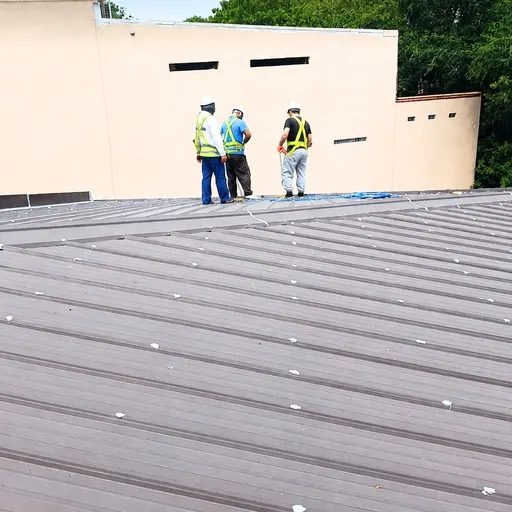
Team checking a metal roof before installation

Part 1 of 5

Site Assessment & System Design

What it is

The survey and planning stage. We study how you use electricity and what your property can support, then design a system around both.

What we do

  • Review your electric bill and usage
  • Check roof area, direction, and shade
  • Recommend a system size in kWp and a panel count
  • Plan your inverter and battery setup

Why it matters

A system sized to your real usage helps you avoid paying for capacity you do not need, or ending up with too little.
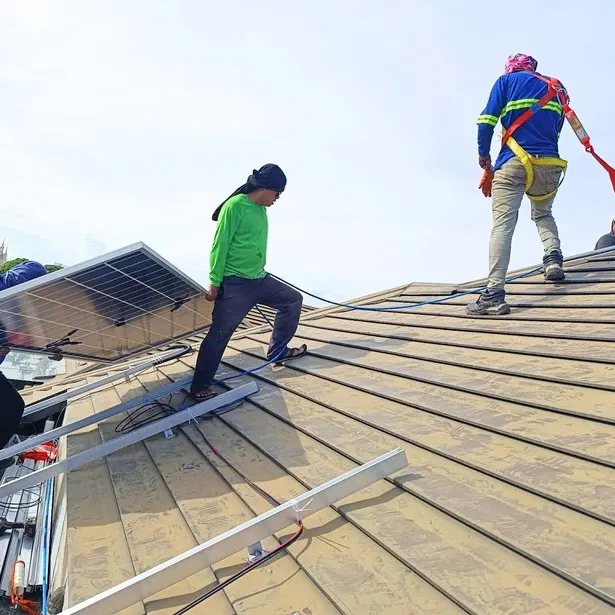
Installers in safety harnesses mounting solar panels on a roof

Part 2 of 5

Solar Panel Installation

What it is

The physical mounting of panels on your roof. Solar panels turn sunlight into direct current (DC) electricity.

What we do

  • Install mounting rails on the roof
  • Secure each panel to the rails
  • Run and protect the cabling
  • Work with safety harnesses while on the roof

Why it matters

Secure mounting and tidy cabling help keep the system safe and performing well for years.

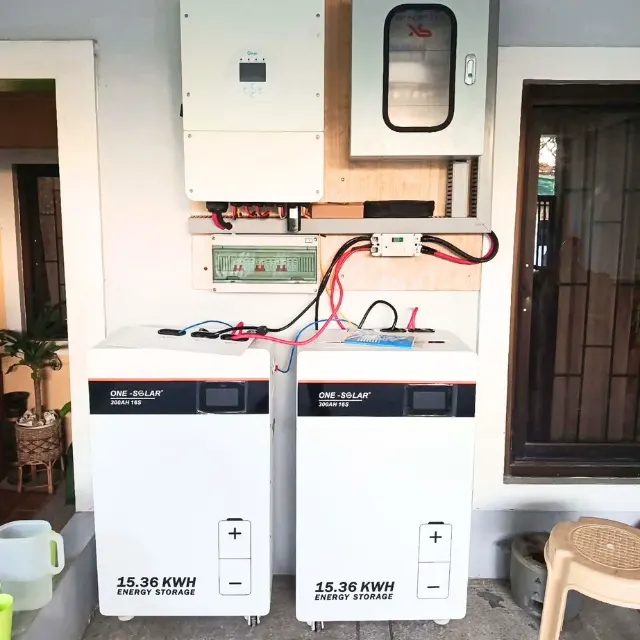
Hybrid inverter and two battery units installed at a home

Part 3 of 5

Hybrid Inverter & Battery Setup

What it is

A hybrid inverter turns the DC power from your panels into the alternating current (AC) your property uses. It also manages power between the panels, the battery, and the grid. The battery stores energy for later use.

What we do

  • Install the hybrid inverter and battery units
  • Connect the panels, battery, and grid
  • Configure how the system charges and discharges
  • Set up system monitoring

Why it matters

Stored energy can be used after sunset and can keep essential loads running during an outage.

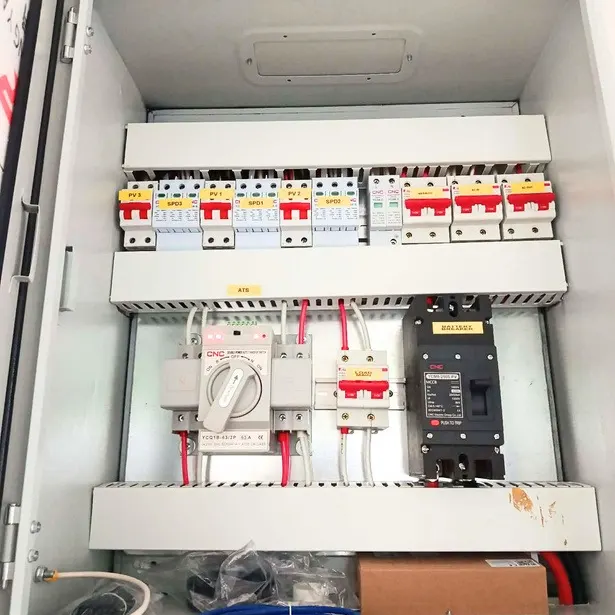
Open electrical panel with circuit breakers and protection devices

Part 4 of 5

Electrical Integration

What it is

Connecting the solar system safely to the electrical system already in your property, so solar, battery, and grid power work together.

What we do

  • Install a protection and distribution panel
  • Add circuit breakers and protection devices
  • Connect the system to your existing electrical panel
  • Arrange the essential loads for backup power

Why it matters

Proper protection helps safeguard your property, your appliances, and the system itself.

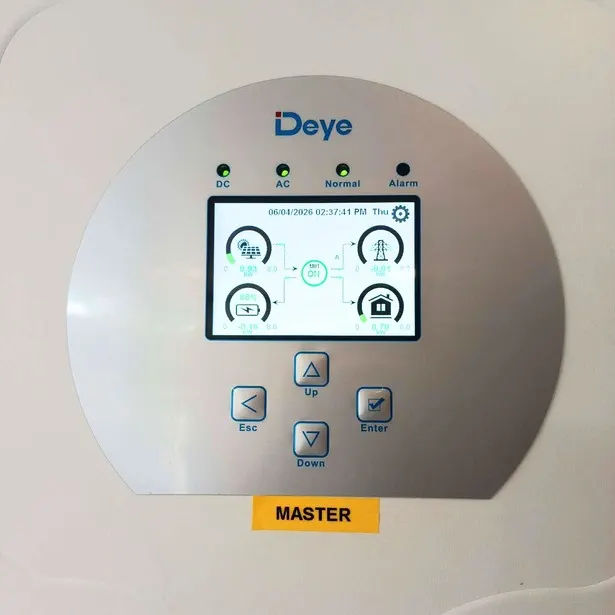
Inverter display showing live system readings

Part 5 of 5

Testing & Commissioning

What it is

The final checks before handover. Commissioning means confirming that the finished system runs the way it was designed to.

What we do

  • Check connections and system settings
  • Test the panels, inverter, and battery together
  • Confirm the readings on the system display
  • Walk you through how your system works

Why it matters

Testing catches issues before handover, so you start with a system that is working as planned.

Definitions

Solar terms, explained.

kW
A measure of power at a given moment.
kWp
A solar system's peak rated power under standard test conditions.
kWh
A measure of energy over time. It is the unit shown on your electric bill.
DC and AC
Solar panels and batteries use direct current (DC). Homes and most appliances use alternating current (AC).
Hybrid inverter
A device that converts solar power to usable AC power and manages the panels, battery, and grid together.
Battery storage
Batteries that save energy so you can use it later, such as at night or during an outage.
The grid
The utility power network that supplies electricity to your property.
Essential loads
The circuits you choose to keep running on backup power, such as lights, outlets, or a refrigerator.
Commissioning
The final testing that confirms a finished system runs as designed.

Ready for a brighter tomorrow?

Send us your latest electric bill for a better first estimate.

Get Free Consultation